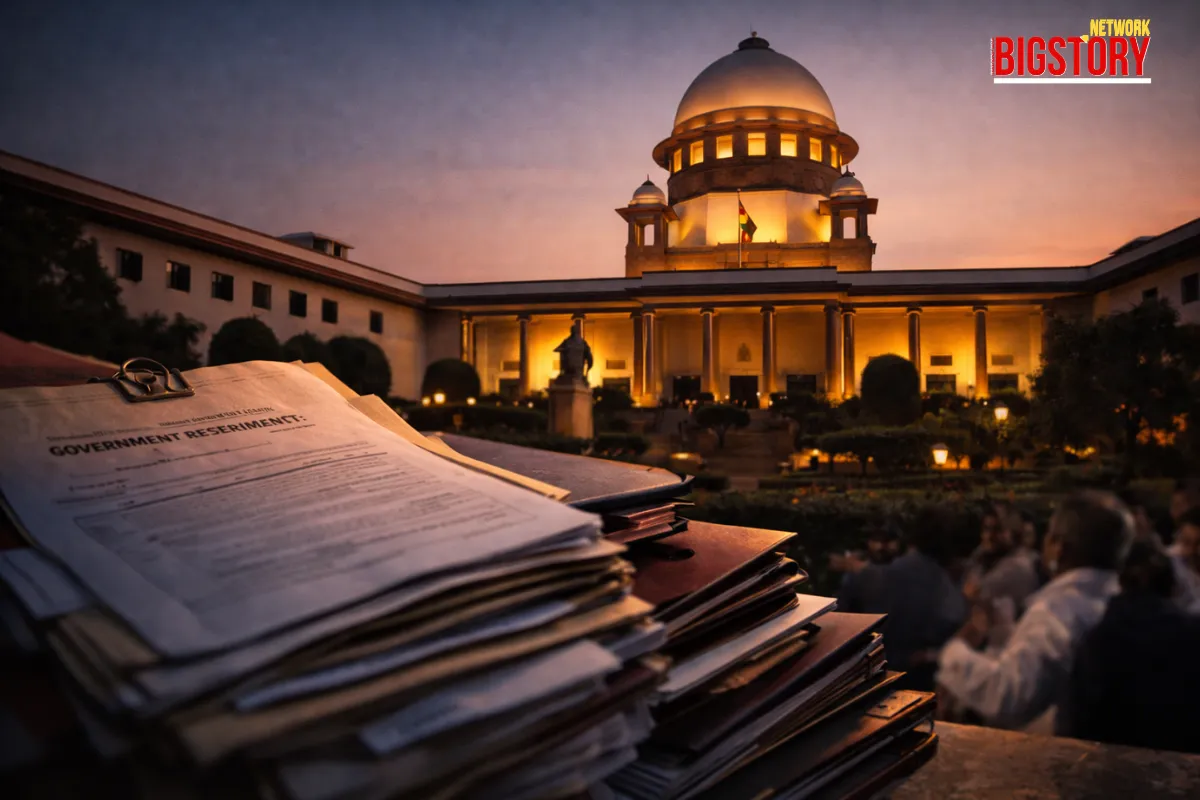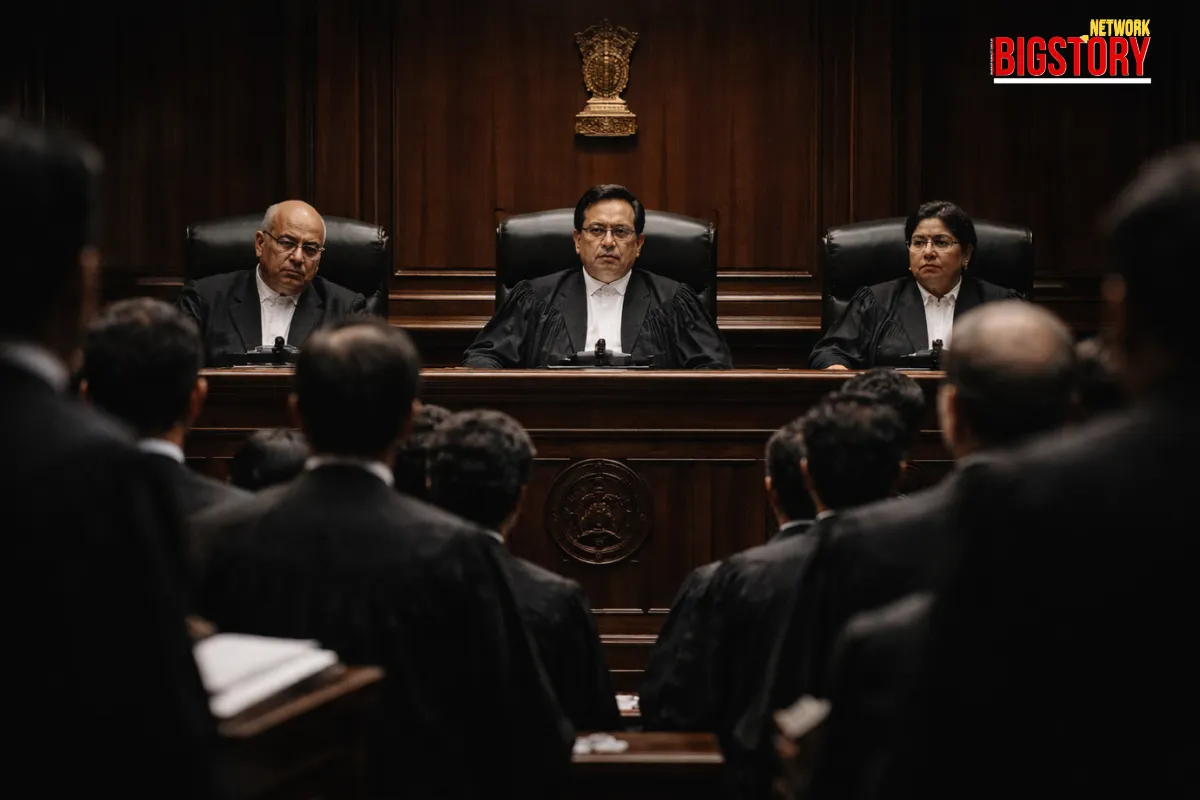
By striking down a controversial two-decade-old government loophole, the apex court has restored reservation rights for thousands of civil service candidates from PSU and private sector families.
 Brajesh Mishra
The legal landscape for affirmative action has fundamentally shifted following the landmark supreme court obc creamy layer parental salary 2026 judgment. On Wednesday, the Supreme Court of India officially struck down a controversial 2004 government directive, ruling definitively that 'creamy layer' status for Other Backward Classes (OBC) cannot be determined solely based on parental salary or income.
This crucial verdict resolves a deeply flawed administrative practice that mechanically clubbed together salaries to disqualify candidates, specifically penalizing those whose parents worked in Public Sector Undertakings (PSUs), banks, and private organizations. By declaring that true social backwardness must be evaluated through the lens of social status and post equivalence—not just fluctuating income brackets—the court has reopened the doors to fair employment for thousands of wrongly denied UPSC candidates.
Justice R. Mahadevan, Supreme Court of India Justice Mahadevan authored the decisive judgment, stating unequivocally that the 2004 clarification cannot override the parent 1993 policy. He emphasized that deciding creamy layer status solely on income brackets—without analyzing the category of posts—is "clearly unsustainable in law."
Union Public Service Commission (UPSC) Candidates These affected respondents are the successful civil service aspirants who waged a grueling legal war after being wrongly denied their IAS, IPS, and central service allocations. Their victory exposes the devastating career impact of administrative misinterpretation.
Department of Personnel and Training (DoPT) The central government body responsible for reservation criteria was heavily rebuked. Their reliance on the 2004 clarificatory letter to circumvent the true intent of the creamy layer doctrine was entirely invalidated, forcing an immediate bureaucratic overhaul.
Mainstream coverage understandably fixates on the ₹8 lakh income limit and historical recaps of the Mandal Commission. However, this coverage frequently glosses over the structural prejudice at the absolute heart of this case: the systemic "hostile discrimination" between public and private sector employees.
The invalidated 2004 DoPT circular created a brutally unfair two-tier system. For the children of government servants, the creamy layer was determined by their parents' official rank or post (Class I, Group A, etc.), actively ignoring their basic salary. But if an OBC candidate's parents worked as bank clerks, PSU staff, or in corporate jobs, authorities simply added up their salaries. If the number crossed the threshold—often just due to regular inflation or dearness allowances—the child was classified as "creamy layer" and stripped of the quota.
The Supreme Court's ruling destroys this double standard. It mandates that social backwardness must be evaluated uniformly regardless of who signs the parent's paycheck. A middle-class PSU salary that naturally crosses an inflation threshold does not miraculously erase a family's historical social disadvantages, and the court has ensured the law finally reflects that reality.
If an honest salary increase was enough to disqualify an entire generation of PSU and private sector families from their constitutional rights, how many deserving candidates has the system already lost since 2004?
News & Wire Coverage:
Official Statements & Data:
 Exclusive Content






Sign up for the Daily newsletter to get your biggest stories, handpicked for you each day.



 Trending Now! in last 24hrs